BASF + MAGNOLIA DXP
BASF unifies its global portal landscape on a headless, modern architecture with Magnolia DXP

OPEX reduction
higher developer productivity
months to go-live
About the customer
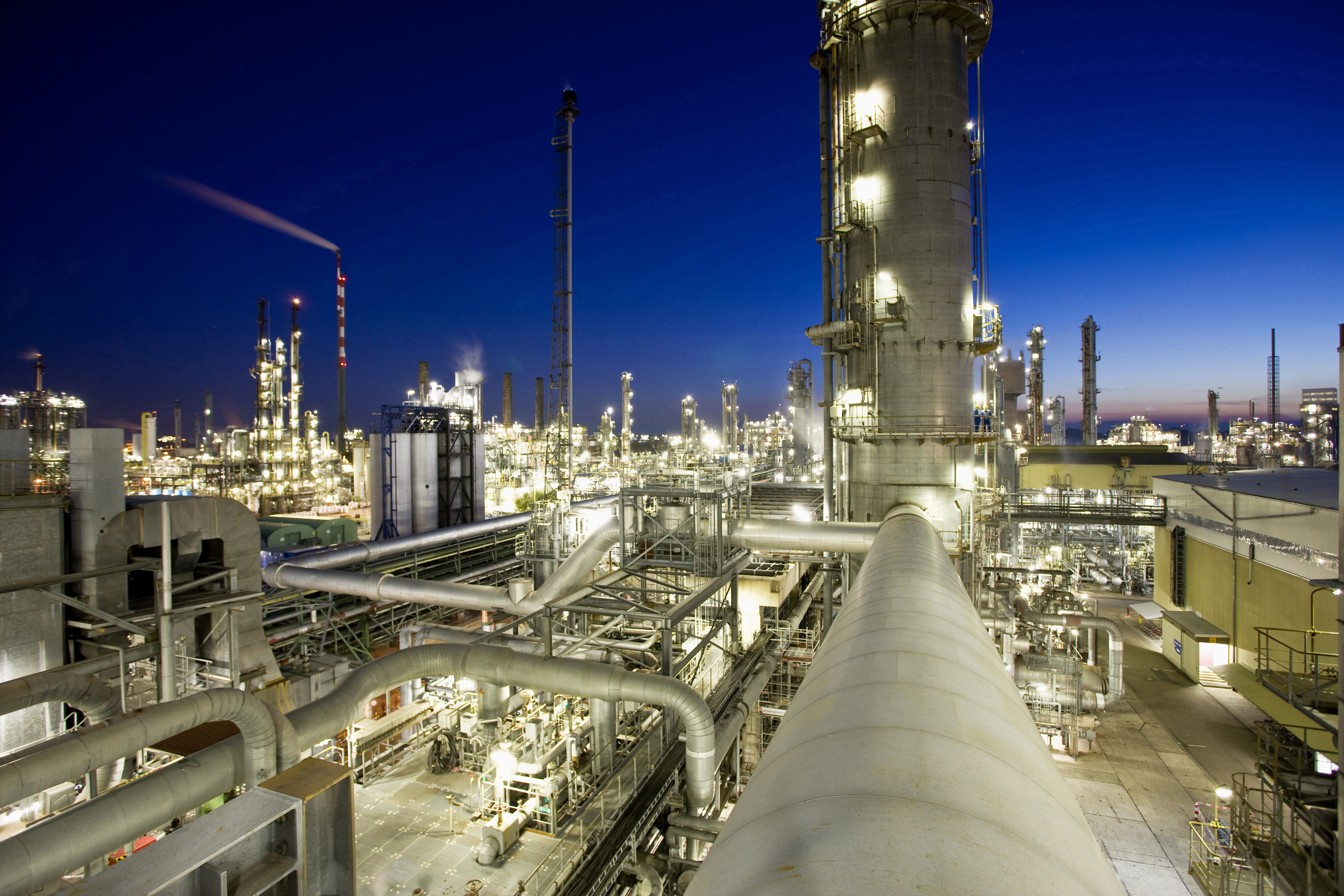
BASF is a leading chemical company with 234 production sites and around 108,000 employees globally. The company delivers chemistry for a sustainable future, driving the green transformation for its customers across 6 segments.
Previously, BASF managed its extensive websites and customer portals on an Adobe Experience Manager (AEM) monolith, among others, paired with disjointed frontend solutions. This restricted development velocity, component reuse, and overall business agility.
To reduce operational costs and unify the customer experience, BASF launched a strategic re-platforming initiative. By deploying Magnolia DXP as the foundation for its new Web Experience Platform (WXP), BASF transitioned to a modern, headless MACH architecture. The initial rollout took only nine months, establishing a single, unified stack scaling across 70 countries, 86 languages, and more than 110,000 pages.
This new foundation enables efficient global digital management, faster time-to-market, and continuous optimization to drive sustainable growth and innovation.
The Challenge
Disjointed portal technologies create inefficiencies and compromise customer journeys
BASF's digital ecosystem faced severe constraints due to an expensive monolithic setup combined with separate, customer-facing portals. Over time, isolated portals on different technologies were built to address specific industry needs.
As divisions tried to integrate richer customer experiences - such as shopping journeys, CRM tools, and self-service capabilities - they ran into an integration challenge. Core backend services were tightly coupled and funneled through a rigid CMS backend, slowing development. At the same time, some fast-evolving portals introduced features independently, never to be integrated with the standard system.
This fragmented environment compromised the customer journey, prevented component reuse, and increased coordination overhead, leading to inefficiencies across the development lifecycle.
The Solution
Consolidating with Magnolia DXP
To eliminate platform complexity and establish a seamless customer experience, BASF's digitalization unit led a transition to a microservices-based, API-first, cloud-native and headless (MACH) architecture. BASF selected Magnolia DXP due to its open architecture, cost efficiency, robust Java foundation, and established headless capabilities.
Modular capabilities and integrations
Moving to a modern, headless approach allows BASF to orchestrate seamless customer journeys via fast, dynamic Single Page Applications (SPAs) from a centralized platform.
To maximize value and slash duplicate development costs, the solution introduces reusable global component libraries, covering content, commerce, and CRM integration. Core requirements like compliance, tracking, data protection, and corporate identity are integrated by default, allowing teams to focus on tailored, differentiated experiences for their specific audiences.
Fast, reliable migration
Driven by a joint agile model, direct collaboration between BASF and Magnolia DXP enabled the rapid development of specialized core modules for authoring, cloud storage, and sensitive, asynchronous publishing.
An automated content migration strategy was central to this success. Using a custom tool to export, transform and import content, the team could repeatedly execute the migration procedure, ensure quality with automated tests and validated results in staging, completely avoiding extended content freezes before production go-live.
Cloud operating model
To support this new architecture without the burden of managing infrastructure, BASF chose Magnolia DX Cloud. This model matches BASF's technical needs by offering deep customization and extensibility while removing operational overhead.
Web shop integration and evolution
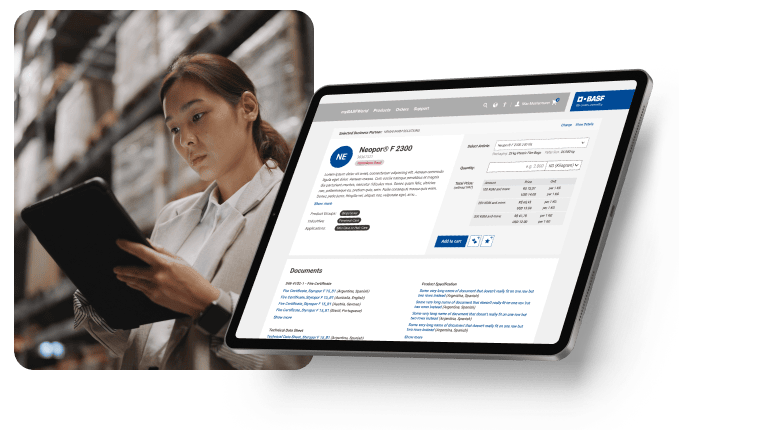
Following the corporate launch, BASF migrated its enterprise web shop, "myBASFWorld," onto Magnolia DXP. This transition transformed basic, technical product listings into highly flexible, content-rich marketing landing pages.
Business units can now visually customize layouts, configure product attributes and instantly enrich product pages with content to provide differentiated marketing, sustainability and, regulatory information.
Marco Baumer, Product Owner for Customer Facing Solutions at BASF Nutrition & Care, emphasized how this fundamentally changed the customer experience:
"The new Product Detail Pages in myBASFWorld allow us to provide rich, harmonized product details across divisions as one BASF, while still addressing industry-specific needs. This even enables us to replace our dedicated industry portals. Customers can access all product information directly where they also buy our products and use after-sales services. Prospects can explore our portfolio as well — all on one platform: myBASFWorld."


Relevant Magnolia DXP features


The Result
Centralized platform drives cost savings, innovation and agility
The re-platforming project achieved a swift, massive transition: BASF migrated its ecosystem and trained over 700 global authors on Magnolia DXP. By systematically eliminating redundant external portals, the single platform delivers structural efficiency and substantial, compounding annual cost savings.
Operationally, decoupling backend and frontend dependencies allows separate development teams and agencies to build new features entirely independently. This agile architecture also unlocks next-generation capabilities, enabling compliance-safe AI adoption in sales and marketing and SEO/GEO acceleration.