Enterprise
Enterprise Digital at Scale: Composable Architecture for Global Operations
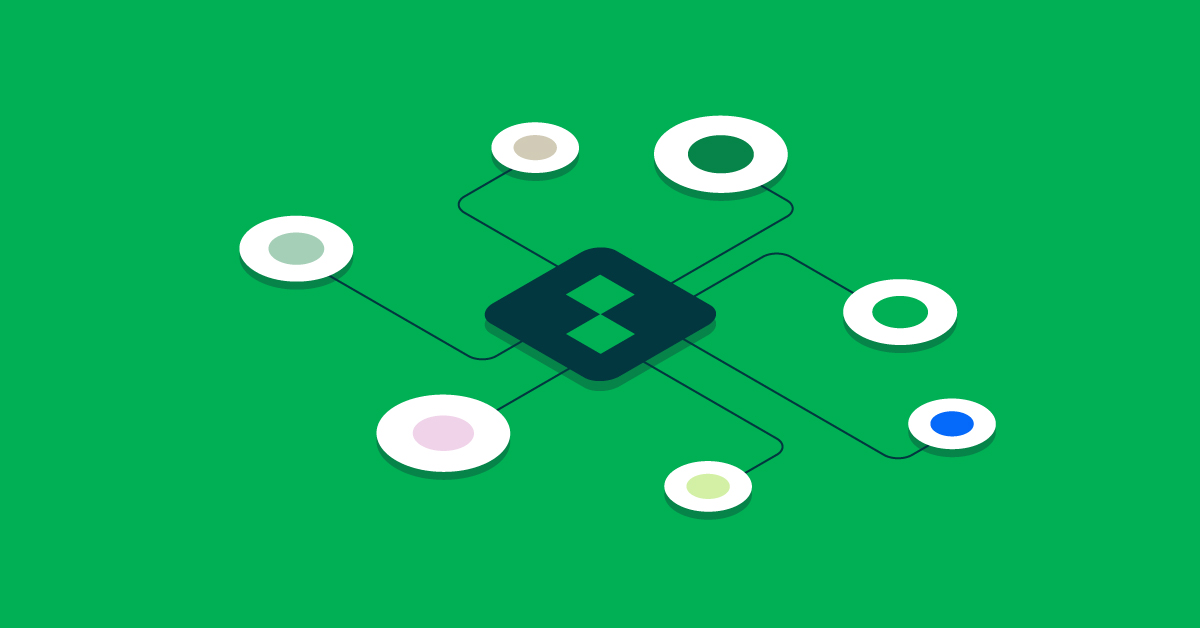
Magnolia DXP is built for enterprise organizations that manage multiple brands, regions, and business units across a complex tech landscape. Rather than replacing your existing systems, Magnolia acts as a composable orchestration layer — connecting your legacy backends, commerce engines, DAMs, ERPs, and customer data platforms into a unified authoring and delivery experience. Explore Magnolia's composable DXP architecture to understand how these components integrate. The platform gives you three core capabilities: centralized multi-brand governance with local editorial flexibility, omnichannel content delivery without duplication, and incremental modernization that protects business continuity while accelerating time-to-market.
Unified Multi-Brand Governance with the Inheritance Model
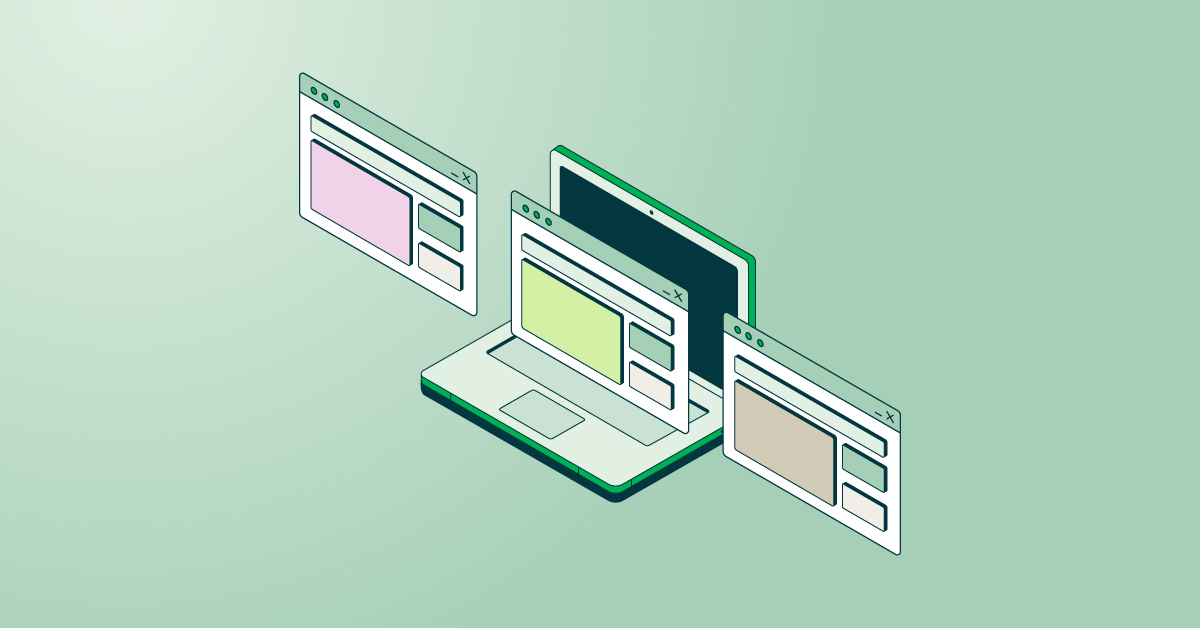
Managing dozens of brands across regions and business units demands a balance: global consistency at the brand and compliance level, but local relevance for regional markets. Magnolia DXP enables this through an inheritance model where headquarters defines a master version containing core content, brand standards, and global messaging. Regional teams inherit this master automatically, then use field-level protection to adapt for local markets — changing a regional CEO name, a market-specific promotion, or a translated hero image — without breaking the link to global governance. The entire system synchronizes in real time: a legal disclaimer update, a product name change, a global campaign refresh — all propagate across every brand and region in your ecosystem instantly. This unified authoring environment means teams see one seamless interface rather than juggling separate systems for each brand, each region, each business unit. Learn how global organizations consolidate multi-brand operations while preserving regional autonomy.
Composable Integration: Orchestrating Legacy, Commerce, and Data
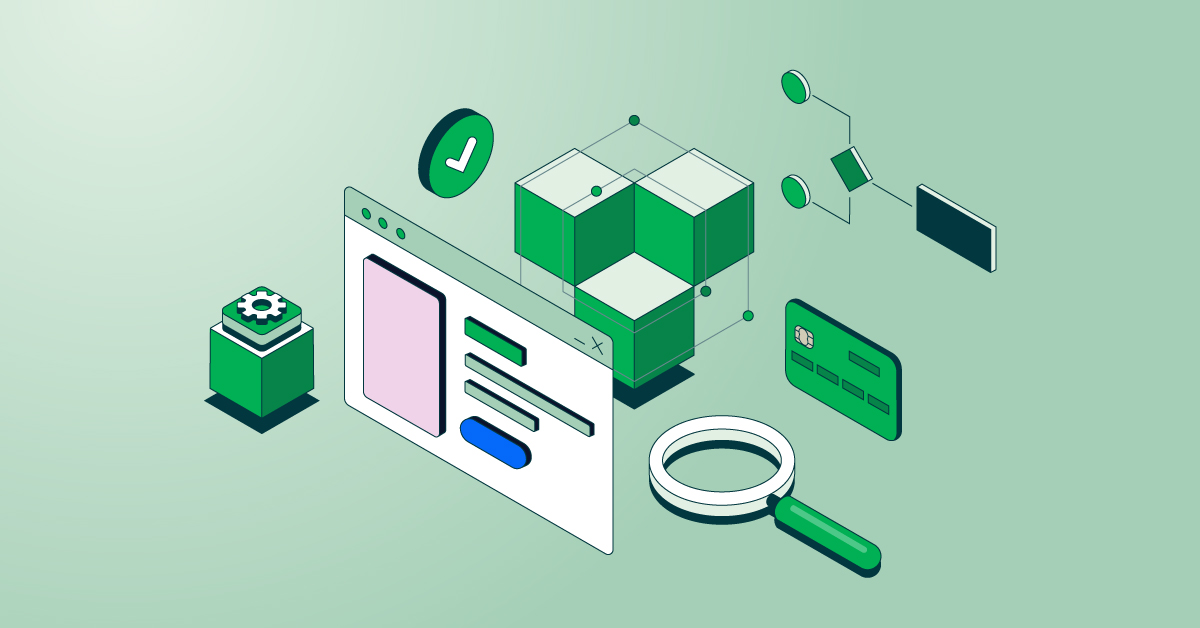
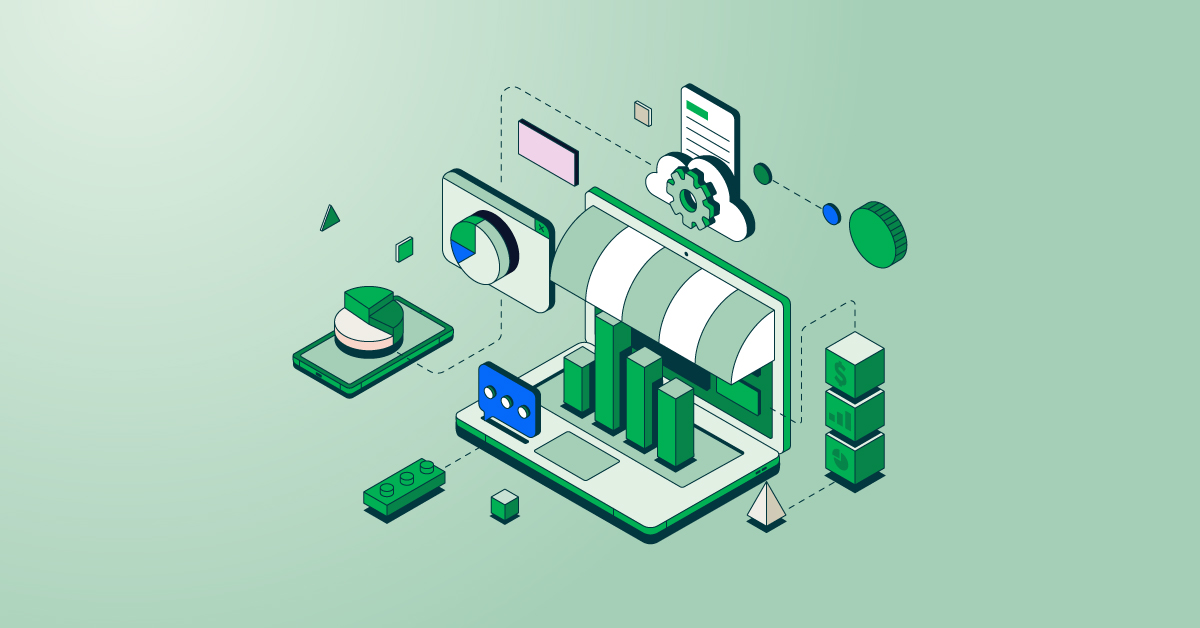
Enterprise architectures are rarely greenfield. You have core banking systems, mainframes, ERP engines, PIM catalogs, commerce platforms, DAMs, and CDPs already running your business. Magnolia DXP doesn't replace them — it orchestrates them. Deploy Magnolia as a visual middle layer in front of your existing stack, and connect any backend via REST APIs or pre-built connector packs. A single product detail page can simultaneously pull live pricing from your ERP, high-resolution media from your DAM, product descriptions from your PIM, and marketing storytelling from your CMS — all stitched into a unified storefront in real time. This composable approach means you modernize the customer-facing layer at your own pace: launch marketing campaigns and personalized experiences at speed, while core transactional systems remain stable and auditable. Marketing teams move independently of IT deployment cycles; developers build clean component architectures without proprietary platform constraints. Explore how composable architecture unifies fragmented B2B experiences with a visual orchestration layer.
COPE: Create Once, Publish Everywhere
Delivering consistent content across web, mobile apps, customer portals, and digital signage has traditionally meant duplicating effort — copying and pasting content for every channel, then managing version conflicts across all of them. Magnolia enables a true COPE strategy by decoupling content from layout. Store content as structured data in content apps (a product detail, an FAQ, a legal notice, a customer alert), and it becomes instantly available via API to any channel — your website, mobile app, portal dashboard, digital signage, even AI assistants. This approach is particularly powerful for enterprise commerce, where you can publish rich, storytelling-driven product content once and syndicate it across every storefront and marketplace. Structured content also powers better enterprise SEO by giving search engines (and AI crawlers) the information they need to understand and rank your content. Update that content once in the hub, and every instance refreshes across all channels simultaneously. This capability extends to dynamic page orchestration: instead of building pages manually, configure dynamic components that automatically populate with the latest data from your backend systems. A regional team launches a campaign by adding a new promotion to a content app; the system automatically generates pages for every market, every language, every device type.
Incremental Modernization and Developer Flexibility
Rather than betting the business on a multi-year migration, Magnolia supports the Strangler Fig pattern: deploy the platform in front of your legacy systems and gradually migrate workloads one section at a time. Your B2B portal stays on the legacy system while you launch a new marketing experience on Magnolia. Your regional sites migrate incrementally while your global corporate site runs both systems in parallel. This approach protects business continuity, lets you measure ROI early and often, and allows different teams to move at different paces. Discover how headless architecture enables incremental modernization without rip-and-replace risk. Learn how enterprise brands use hybrid headless architectures to balance flexibility with editorial ease. Developers benefit from a composable architecture: build components using standard frameworks and APIs without being locked into proprietary suite templates. Marketing teams get a visual editor for rapid iteration; developers get clean APIs and component architectures. Learn how composable solutions reduce migration risk and accelerate digital transformation and why platform speed matters for enterprise operations.











.2024-10-21-13-28-53.png)