Personalization
What is personalization?
At Magnolia DXP, we define personalization as delivering the content each visitor needs, based on who the visitor is and how the visitor behaves. Your teams combine explicit data, which visitors share with you, and implicit data, such as location, device, and visit history, to build audiences. Each audience then sees its own version of a page or component. Magnolia DXP does this without code and on any channel, while your customer data stays in the customer relationship management (CRM) system or customer data platform (CDP) that already manages it.
Making personalization work at scale
Welcome to the Magnolia DXP personalization hub. Most teams know personalization pays off. The hard part is scale: every new audience adds variants to manage, tickets for developers, and weight to your pages. We built this hub to show how you can personalize more without giving up speed, performance, or control.
Start with the basics: what personalization in customer experience means, the difference between explicit and implicit personalization, and how hyper-personalization goes beyond segments. For inspiration, browse our web personalization examples and the personalization trends impacting the digital experience. Then see how a headless CMS can accelerate your personalization strategy and how AI helps marketers deliver personalization at scale. Want to see it in action? Take our personalization product tour.
Target audiences with traits, segments, and variants
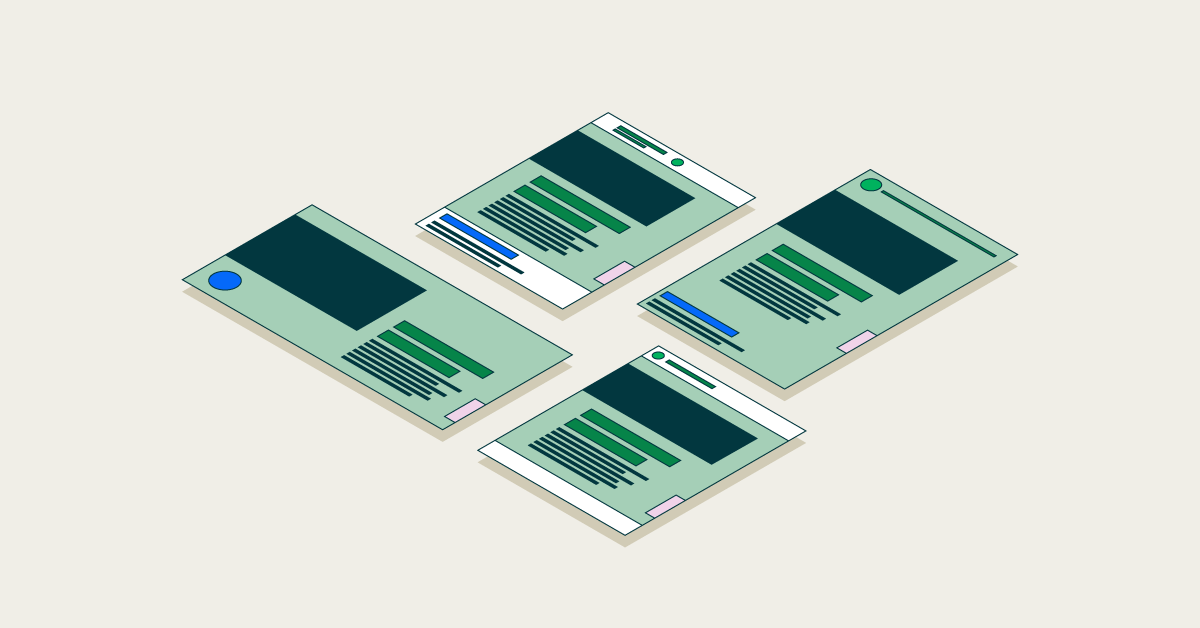
Magnolia DXP puts the building blocks of personalization in the page editor. Traits describe a visitor, such as country, date, or whether the visitor is new or logged in. Segments and personas group visitors by those traits. Variants are alternative versions of a page or component, each matched to an audience. Our in-depth guide to personalization in Magnolia DXP walks through each building block, and our post on rules-based personalization shows how to turn simple conditions into a strategy. Our overview of personalization with Magnolia DXP adds content recommendations, analytics, and testing to the picture.
For more complex targeting, the free Advanced Personalization extension by Crescendo Collective adds expression-based rules that match variants to any or all segments, so you manage fewer variants. Quick ideas, such as regional banners or checkout cross-sells, are in 5 personalization quick wins, and data-driven buyer personas show how to define the audiences behind them. For campaigns, the Campaign Manager targets banners and teasers by audience segment and lets you preview them before launch.
Alior Bank shows dedicated, personalized versions of the same pages to specific target groups. "Instead of showing them the product we want to sell them, we can suggest the product they need, based on their previous visits," says Ewa Krassowska, Marketing Manager at Alior Bank. After relaunching on Magnolia DXP, the bank grew online loan sales by 42%, accounts by 24%, and mortgage loans by 188%. Helan, a Belgian health insurer, uses personalization rules to show each logged-in user the insurance that user already owns, marked with a "Your insurance" label on the product page.
Deliver personalization headless, hybrid, and at the edge
Personalization shouldn't stop at the website, and it shouldn't slow it down. Magnolia DXP delivers personalized content with or without a headless frontend, to websites, apps, portals, and in-store screens. Our architects explain how headless personalization works through the Delivery API, which returns the variant that matches a visitor's traits, and how Magnolia DXP adds visual editing and personalization to headless delivery. As touchpoints multiply, from apps to kiosks, customer expectations evolve with them, and so does what consumers want to experience.
Speed matters as much as relevance. Edge-side personalization runs personalization rules on content delivery network (CDN) servers. This avoids the flicker of client-side scripts and the load of rendering every request on the server. For B2B sites, our partner Arineo shows how to serve a cached page shell from the edge and personalize the rest: about 90% of the layout comes from the edge, and the remaining 10% loads through the API. Our Performant personalization white paper, written with our partner Verticurl, sets out the architecture step by step.
Coop Alleanza 3.0, an Italian retail cooperative with 419 shops, creates variants of the same page for different audience groups based on user behavior or traits. In its stores, digital totems let customers browse targeted content and print personalized e-coupons. Sanofi relies on content personalization for its 40 healthcare professional (HCP) portals, delivered through Akamai, and gives logged-in HCPs personalized search results. Learn what makes personalization pay off on HCP portals in HCP portals in the AI era.
Connect your customer data and commerce stack
Magnolia DXP doesn't store customer data for personalization. It references traits and segments from your connected CRM or CDP at runtime, so sensitive records stay where you already govern them. Our solution architect shows how to integrate Magnolia DXP with a CDP such as Segment: visitor events flow into the CDP, computed traits come back, and Magnolia DXP caches the matching variants automatically. To measure what works, see how analytics and personalization work together in a composable DXP.
Partners add depth. Attraqt brings intent-based search and merchandising, and pixelart shows how marketing automation powers up personalization. IBM iX explains why personalization boosts the customer experience and how to set up the scoring model and delivery architecture. Namics lists the key considerations before you set up your personalization project.
For commerce, start with ecommerce personalization: everything you need to know. It shows how MOO personalizes homepage banners based on past purchases and applies location rules by city or country. Then explore ecommerce personalization examples, ecommerce personalization trends, what to know when choosing an ecommerce personalization platform, and personalization in B2B ecommerce.
Scale variants with AI and test what works
Creating a variant for every segment is where personalization usually stalls. Magnolia DXP uses AI assistance, built on integrated third-party models, to generate and configure content variants for each segment, and your team reviews them before anything goes live. Read how this shifts marketers' time from execution to strategy, then dive into our guide to hyper-personalization with generative AI and the definitive guide to AI in DXP. At The MarTech Summit, we showed how AI helps with content volume, compliance, and personalization in a live demo. In our webinar recap on mastering AI for digital revenue growth, panelists from Arineo, ai12z, and Emporix discuss the move from persona-based to intent-based personalization. In banking, the same logic applies: a strong digital experience comes before customer-facing generative AI.
To find out which variant works, Magnolia Experiments, powered by Kameleoon, runs A/B tests inside the page editor. Available as an add-on, it splits traffic and targets audiences with the traits you've already defined in Magnolia DXP, and you can promote the winning variant to live content. Magnolia Answers, powered by ai12z, adds a website concierge that answers visitor questions from your approved content.
Personalize across markets and languages
Global brands need content that fits each market, not just each language. Magnolia DXP combines multisite management, Live Copy, and audience traits such as home country, so you keep a shared core and adapt it locally. Our guide to international website personalization shows how traits, variants, and AI-generated variants work together across markets, and six strategies for multisite and translation cover the translation workflow. See also how brands can approach multilingual websites, executing a global content strategy with a DXP, and how personalization boosts customer satisfaction with real-time, localized, and cross-channel content. For an industry view, read about travel industry trends in new media, personalization, and convenience.
Air Europa personalizes content in more than 25 markets across 29 sites. Its teams segment and personalize content without depending on IT. "With Magnolia, we've been able to finish in 5 days a job that took us weeks," says Óscar Riolobos, Web Business Manager at Air Europa.
Featured personalization resources
Plan, try, and extend personalization with Magnolia DXP:
- The capability overview: See how personalization, experimentation, and insights work together on our Personalization and insights page.
- The product brief: Get a short summary of audience segmentation, explicit and implicit personalization, and page- and component-level personalization in our Personalization product brief.
- The product tour: Click through how marketers create experiences for a target audience without code in our personalization product tour.
- The testing add-on: Run A/B tests in the page editor with traits you've already defined using Magnolia Experiments.
- The extension: Add expression-based targeting rules and new request traits with the free Advanced Personalization extension.