- Okt. 15, 2026
- --
Why migrating to Magnolia DXP doesn't have to be a multi-year risk
-
 Cass WeberHead of Professional Services & Customer Engagements, Magnolia


Magnolia in Aktion
Unser Expertenteam zeigt Ihnen live, was Magnolia für Sie leisten kann.
Jetzt Demo buchenKey insights
-
The effort is measurable now, not hypothetical. In a recent AEM-to-Magnolia DXP proof of concept, the tested scope was delivered 59% faster and with 66% less human effort, reaching 1:1 visual parity in two iterations on average. Every estate is different, so these results are an indication of what is achievable, not a guarantee.
-
Automation has a boundary, and knowing where it sits is the useful part. In that same proof of concept, around half the templates migrated on the first automated pass. Customizations, business logic, AEM-specific behavior, and third-party integrations still need engineering judgment to reconnect properly.
-
Migration is the moment to leave technical debt behind. Every customization you reproduce carries its original constraints and its maintenance cost onto the new platform. Rebuilding everything is rarely the right call.
-
Partners gain leverage rather than competition. Magnolia Navigator supplies the AEM-to-Magnolia DXP methodology, tooling, and platform expertise, so partner teams spend their time on architecture, integrations, and experience design instead of repetitive migration work.
Why migrating to Magnolia DXP doesn't have to be a multi-year risk
Customers considering a platform switch during license renewal ask the same question: what would it really take to switch platforms?
In the past, the honest answer was discouraging: a multi-year, expensive re-platforming project.
Years of investment in a DXP often result in thousands of pages, custom components, integrations, workflows, and business-critical dependencies. Even when the platform is no longer cost-effective or architecturally sound, moving away can look like committing to another costly multi-year transformation program.
Organizations now aim to consolidate fragmented technology, reduce costs, invest in AI, and deliver more, faster. So why should migration still work the way it did five years ago?
At Magnolia DXP, we believe migration should be faster and less risky. Moving to Magnolia DXP no longer requires a multi-year commitment.
"With Navigator, developers don't need to start from scratch. The tool prepares much of the project for them, ensuring an easy, fast, and successful start of the migration."

Migration shouldn't consume the transformation budget
Much of the migration work is genuinely necessary. But it doesn't need a multi-year timeline or an open-ended budget, and not all of it needs to be done manually anymore.
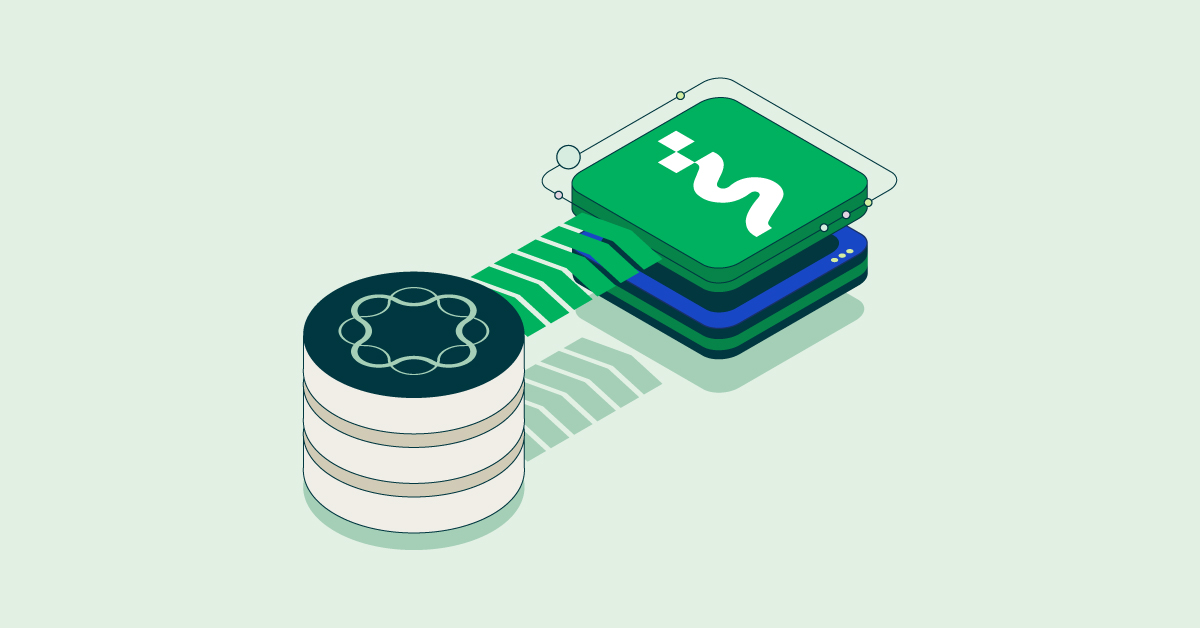
That's the thinking behind Magnolia Navigator, our dedicated migration program for organizations moving from AEM to Magnolia DXP.
It's a software-led solution paired with expert support. Internal extract, transform, load (ETL) tooling, automation, and AI assistance accelerate the repeatable parts of migration, guided by our migration methodology and experts.
The objective is simple: you don't just acquire a new platform. You arrive migrated, live, and ready to operate.
In a recent Magnolia Navigator proof of concept, the measured scope was completed with the following results:
59% faster delivery on the elements (page, templates, site, assets) tested
66% less human effort required
2 iterations, on average, to reach 1:1 visual parity with the original
Each migration is different, so these results are not guaranteed. However, they illustrate what's possible today. Accelerated migration delivers tangible business benefits:
faster time to value
reduced duration of dual-platform maintenance
greater capacity to invest in DXP innovation
Automate what is repeatable, retain human expertise where it matters
We are also realistic about what AI can and cannot do. Enterprise migration is a good example of why that distinction matters.
In the same PoC, around 50% of templates migrated successfully on the first automated pass. The remainder required AI-assisted or developer refinement. That isn't a weakness in the approach. It tells us where the current automation boundary lies.
Simple and repeatable structures are strong candidates for automation.
Customizations, complex business logic, third-party integrations, and AEM-specific behavior still require deeper analysis, expertise, and targeted refinement. Third-party integrations (e.g., Analytics, CRM, PIM, commerce, and other external services) need to be understood and reconnected as part of the target architecture. They aren't magically solved by putting an AI model into the migration process.
In typical projects, automation covers a large share of the repeatable work, sometimes up to 80% depending on the setup, so your content team can focus on validation and your technical team on the complex cases, rather than rebuilding everything from scratch.
Headless commerce for enterprise: Strangler Fig migration strategy
Learn how to decouple your storefront and modernize e-commerce UX using the Strangler Fig pattern with Magnolia DXP, keeping legacy ERPs safe.
Zum Blog ArtikelDon't migrate your technical debt
Preserving functionality is sometimes necessary. However, rebuilding every customization can transfer years of accumulated complexity to the new platform, resulting in ongoing maintenance (and maintenance costs) of outdated decisions.
At Magnolia DXP, we treat migration as a rare opportunity to ask:
Which customizations still create business value?
Which exist only because of historical platform constraints?
Which integrations remain strategic?
What should be standardized?
What would we design differently if we were building our digital architecture today?
Migration is the moment to align your architecture, content models, and implementation with Magnolia DXP standards and best practices, rather than simply reproducing the architecture you are leaving. Use the migration to create a more maintainable, secure, and future-ready Magnolia DXP solution.
Build for daily users
Migration offers an opportunity to improve how content teams and marketers create, manage, and reuse content, rather than just providing a new interface for yesterday’s processes.
The goal is a modern DXP where marketers can work more independently, produce content at scale, and spend less time navigating unnecessary complexity, on a composable, modern architecture that developers enjoy building on too.
"I was amazed at how few iterations the human-controlled AI needed to migrate not only the content but also the design of the pages exactly as they were. And how easily the process could be applied to a wide variety of page types."

Role of Magnolia DXP partners
Magnolia Navigator is designed to complement, not replace, the expertise of our implementation partners. It offers partners greater leverage in delivering value.
Automation can take on more of the repeatable migration workload. Magnolia DXP provides the AEM-to-Magnolia DXP methodology, internal tooling, and platform expertise. Partners can focus their expertise on architecture, custom business requirements, integrations, experience design, implementation, and the broader platform transformation.
After the initial migration, your in-house team or an accredited Magnolia DXP partner can manage refinement, enhancements, ongoing development, and third-party integrations.
For partners, that means less engineering time spent on repetitive migration work, and more time spent on areas where their business expertise adds the most value.
Composable DXP vs monolithic DXP: The expert guide to legacy CMS migration
Read the guideThe most critical question has changed
So, the critical question has changed. For years, one of the biggest concerns with replacing a large enterprise CMS was the migration process:
CostResources
Resources
Risk
Time spent recreating something the business already had
Composable DXP vs monolithic DXP: The real total cost of ownership
Uncovering the hidden costs of monolithic systems
Uncover nowThose constraints haven't disappeared. Customizations remain complex, and integrations require engineering. Enterprise migrations still require planning, testing, governance, and experienced professionals. However, automation and AI now reduce the human effort needed for repeatable tasks, which changes the business case.
So the question for technology leaders is no longer, "How much will it cost us to move to Magnolia DXP?" but, "How much are we willing to keep investing in the past, and what could we achieve if we redirected that investment toward the future?”
This shift in perspective is most important during licensing renewal discussions. These conversations no longer need to end in a multi-year bet.
Magnolia Navigator makes that choice easier by providing a transition path from AEM to Magnolia DXP. It combines automation with human expertise, while giving organizations an opportunity to simplify and modernize their architecture and redirect capacity toward innovation.
"From my experience, Magnolia Navigator gives you a fast, clean, and easy-to-understand starting point for migration. It creates a solid foundation that you can build on as the migration progresses. Starting well makes a real difference. It gives the team momentum and confidence to move forward and focus on achieving a good outcome."

If you're evaluating a move from AEM, talk to us. Bring your architecture, your goals, your challenges, and your difficult questions. And if you already have a trusted implementation partner, bring them too.
We'll navigate the move together.
Plan your move from AEM with Magnolia Navigator
Our dedicated migration program pairs a software-led solution with expert support, so you arrive migrated, live, and ready to operate.
Explore Magnolia Navigator